
Shelling in the Ten Thousand Islands
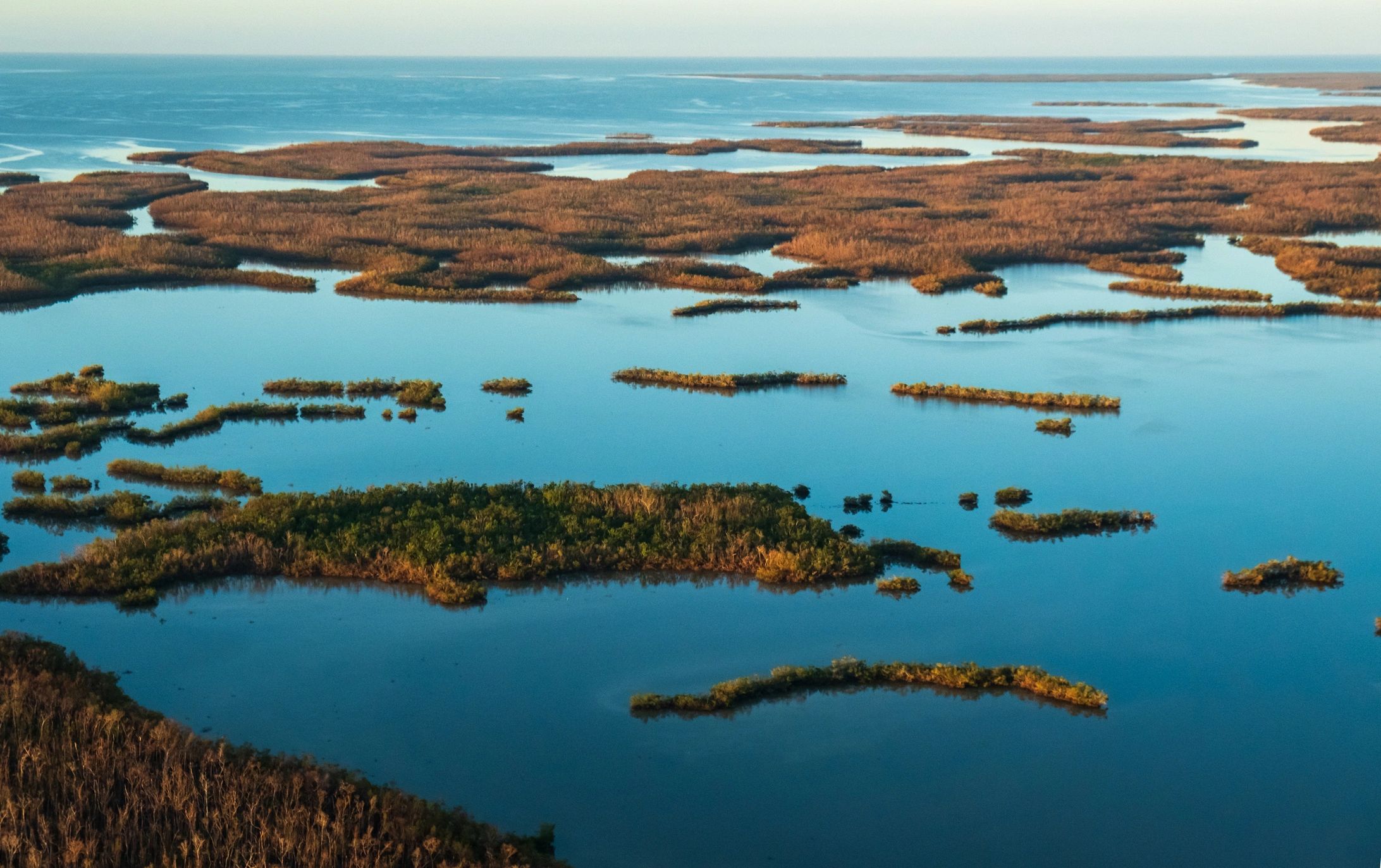
The Ten Thousand Islands stretch south of Marco Island through a maze of mangrove islands, shallow bays, tidal waterways and remote Gulf beaches. Unlike developed beach destinations, many shelling locations in this region can be reached only by boat.
Tides play an especially important role here because changing water levels can expose sandbars, shell beds and stretches of shoreline that may be underwater at other times. Wind, waves, currents and recent weather can also influence conditions from one island to another.
This guide explains what makes shelling in the Ten Thousand Islands different and what to consider before planning a trip into this remote part of Southwest Florida
Remote Islands & Beaches
Many Ten Thousand Islands shelling locations are undeveloped and surrounded by mangroves, shallow water and natural shoreline. Conditions vary considerably between islands, and shell deposits can change with tides, weather and wave action.
Boat Access
Most remote shelling areas in the Ten Thousand Islands require boat access. Travel time and accessibility can vary with weather, tides and water depth, making local conditions an important part of trip planning.
Tides & Conditions
Lower tides can expose additional shoreline, sandbars and shallow shell beds. Negative tides may reveal areas that remain underwater during ordinary conditions, but tide height alone does not determine where shells will be found.
Shelling in the Ten Thousand Islands
The Ten Thousand Islands stretch south of Marco Island through a maze of mangrove islands, shallow bays, tidal waterways and remote Gulf beaches. Unlike developed beach destinations, many shelling locations in this region can be reached only by boat.
Tides play an especially important role here because changing water levels can expose sandbars, shell beds and stretches of shoreline that may be underwater at other times. Wind, waves, currents and recent weather can also influence conditions from one island to another.
This guide explains what makes shelling in the Ten Thousand Islands different and what to consider before planning a trip into this remote part of Southwest Florida
Remote Islands & Beaches
Many Ten Thousand Islands shelling locations are undeveloped and surrounded by mangroves, shallow water and natural shoreline. Conditions vary considerably between islands, and shell deposits can change with tides, weather and wave action.
Boat Access
Most remote shelling areas in the Ten Thousand Islands require boat access. Travel time and accessibility can vary with weather, tides and water depth, making local conditions an important part of trip planning.
Tides & Conditions
Lower tides can expose additional shoreline, sandbars and shallow shell beds. Negative tides may reveal areas that remain underwater during ordinary conditions, but tide height alone does not determine where shells will be found.